“Coffee growing process” search results (7000)
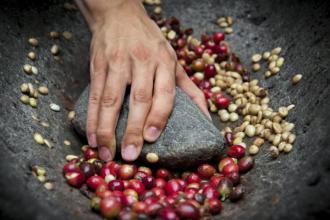
Taste characteristics of Solar fermented Natural Ethiopian Coffee introduction to Fine Coffee Bean in Manor
Ethiopia has unique natural conditions suitable for growing all imaginable varieties of coffee. As a upland crop, Ethiopian coffee beans are mainly grown in areas between 1100 and 2300 meters above sea level, roughly distributed in southern Ethiopia. Deep soil, well drained soil, weakly acidic soil, laterite and soil are soft and contain
2016-09-03 Sun fermentation Natural Ethiopia Coffee varieties Taste characteristics Manor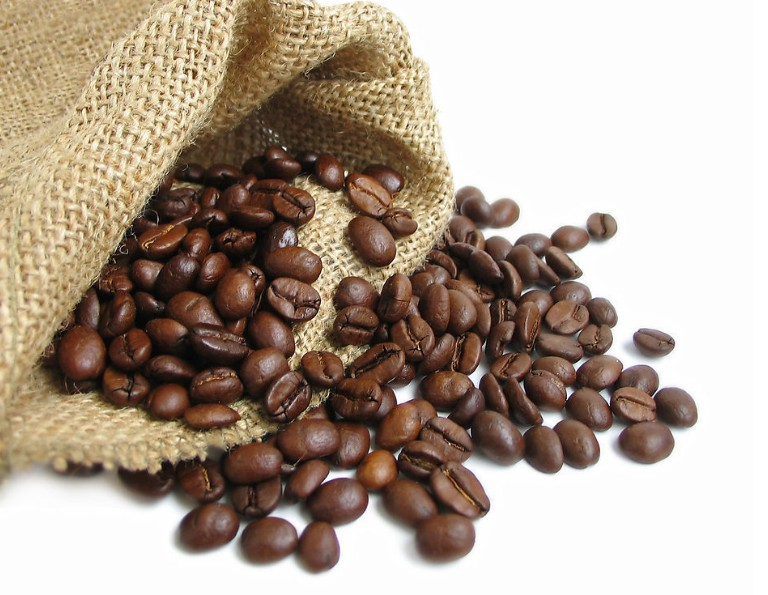
Natural fermentation, mellow and sun-dried Ethiopian coffee flavor, characteristics, taste and manor introduction
Ethiopia has unique natural conditions suitable for growing all imaginable varieties of coffee. As a upland crop, Ethiopian coffee beans are mainly grown in areas between 1100 and 2300 meters above sea level, roughly distributed in southern Ethiopia. Deep soil, well drained soil, weakly acidic soil, laterite and soil are soft and contain
2016-08-31 Natural fermented mellow solarization Ethiopia coffee flavor characteristics taste
Introduction to the characteristics of Burundian Coffee Bean Flavor Manor growing Bourbon
Burundian coffee bears a striking resemblance to neighboring Rwanda, where coffee from the two countries is often confused. Burundian coffee is mainly grown in bourbon, with traditional wet processing of coffee cherries. Its boutique coffee is characterized by elegant sweetness and bright citrus aromas. This batch belongs to bourbon species micro batch. [Bulundi Champion processing Factory] is located in the card.
2016-08-04 Planting bourbon main Burundi coffee beans flavor taste manor producing area special
Coffee growing areas in Rwanda introduce the treatment methods of high-quality coffee beans, the treatment method of Qimaier Village.
Rwanda has been growing coffee since colonial times. Although the crops are mainly coffee, the quality of coffee produced in Rwanda is not outstanding, and its status in the coffee world is low, and few people pay attention to it. Most of the coffee varieties grown in Rwanda are bourbon. Rwanda, known as the country of Thousand Hills, has a high-altitude mountain environment, fertile volcanic soil and abundant precipitation.
2016-07-06 Rwanda coffee planting region producing area introduction boutique coffee beans processing square
Characteristics of natural fermented, mellow and insolated Ethiopian coffee varieties taste manor boutique coffee bean flavor
Ethiopia has unique natural conditions suitable for growing all imaginable varieties of coffee. As a upland crop, Ethiopian coffee beans are mainly grown in areas between 1100 and 2300 meters above sea level, roughly distributed in southern Ethiopia. Deep soil, well drained soil, weakly acidic soil, laterite and soil are soft and contain
2016-09-01 Natural fermented mellow solarization Ethiopia coffee varieties characteristics taste
Taste characteristics of Ethiopian Coffee Manor Flavor description and introduction of varieties producing areas
Ethiopian coffee beans grow in close to the natural environment, after years of planting under the same growth conditions, Ethiopian coffee beans have gradually adapted to the environment here. More than 60% of coffee beans are grown in forests or semi-forests. Large-scale coffee-growing villages account for about 35% of the country's total coffee production. Many of these are used.
2016-10-15 Ethiopia Coffee Manor Flavor description processing Taste characteristics varieties
Sharing the production process of coffee beans
It takes as long as 3-5 years for a coffee tree drama to steal and grow to a beautiful end. 6-10 years of coffee trees are the most likely to bear fruit, about 15-20 years, is a bumper harvest. Coffee trees are usually bred in nurseries and grow into saplings, and then moved to coffee farms a year later, completely following the way the Arabs planted and cultivated coffee trees at the time. In the first four or five years of the development of coffee trees, it will continue to go down.
2014-09-04 Coffee knowledge coffee bean production production process coffee encyclopedia
Ethiopia Yega Sheffield Coffee Bean grows Raw Bean G2 Yega Chefe
Ethiopia has the longest history in the world, not only in coffee production and drinking, but also in the world. Most of the production is exported to advanced countries, and unlike other coffee-producing countries, 50% of the coffee produced in Ethiopia is consumed domestically. Nevertheless, more than 60% of Ethiopia's total foreign currency exports still come from the coffee trade, which is enough to replace
2016-05-04 Esso Biya Yega Chevy Coffee Bean planting Raw Bean Ethiopia only in
Variety characteristics of naturally fermented sun-cured Ethiopian coffee introduction to the flavor of fine coffee beans in the manor
Ethiopia has unique natural conditions suitable for growing all imaginable varieties of coffee. As a upland crop, Ethiopian coffee beans are mainly grown in areas between 1100 and 2300 meters above sea level, roughly distributed in southern Ethiopia. Deep soil, well drained soil, weakly acidic soil, laterite and soil are soft and contain
2016-09-01 Natural fermented solarization Ethiopia coffee variety characteristics taste manor
Taste characteristics of natural Ethiopian coffee fermented in the sun introduction to the flavor of fine coffee beans in the manor
Ethiopia has unique natural conditions suitable for growing all imaginable varieties of coffee. As a upland crop, Ethiopian coffee beans are mainly grown in areas between 1100 and 2300 meters above sea level, roughly distributed in southern Ethiopia. Deep soil, well drained soil, weakly acidic soil, laterite and soil are soft and contain
2016-09-03 Sun fermentation Natural Ethiopia Coffee Taste Variety characteristics Manor
Introduction to the flavor of high-quality coffee beans in the manor characteristics of natural Ethiopian coffee fermented in the sun
Ethiopia has unique natural conditions suitable for growing all imaginable varieties of coffee. As a upland crop, Ethiopian coffee beans are mainly grown in areas between 1100 and 2300 meters above sea level, roughly distributed in southern Ethiopia. Deep soil, well drained soil, weakly acidic soil, laterite and soil are soft and contain
2016-09-05 Sun fermentation natural Ethiopia coffee taste variety manor characteristics
Bolivia Coffee How to taste Growing environment Producing area Price Flavor Description Introduction
Arabica coffee cannot be grown at altitudes higher than 2000 meters, and if the altitude is too high, the coffee trees will freeze due to the low temperature. Bolivian coffee is mainly grown in the Yungas region northeast of La Paz. Bordering the Amazon River basin, it is about 1500-2500 meters above sea level and has an average annual temperature of about 10-15 ° C. Therefore, coffee growth is guaranteed.
2016-09-19 Bolivia coffee taste how grow environment region price flavor
Ethiopian Coffee processing in Ethiopian Coffee producing areas
A large amount of coffee production (95%) is done by small shareholders, with an average yield of 561 kg per hectare. For centuries, minority holders of Ethiopian coffee farms have been producing a variety of high-quality types of coffee. The secret of producing high-quality coffee is that coffee growers have developed environmental conditions through generations of repeated learning about the coffee planting process.
2016-05-24 Ethiopia coffee producing area treatment mode mass production 95%
A comprehensive introduction to all aspects of coffee
The variety Coffea Robusta can grow to more than 12 meters above sea level to 600 meters above sea level and grows rapidly and has stronger resistance to insect pests. It was discovered in Congo in 1898, and the strong variety was widely spread, especially in places such as Africa, Asia and Indonesia where Coffea Arabica was not suitable for growing in climate. It accounts for 1/4 of the world's total output. Due to
2016-08-05 Coffee generous noodle comprehensive introduction knowledge type variety Coffea
Coffee is produced in Kilimanjaro, Tanzania
Coffee is one of the main cash crops in Tanzania, ranking fourth after cotton, tobacco and cashew nuts, mainly sold to Italy, Japan and the United States. Coffee exports play an important role in the national economy of Tanzania. Tanzania's main coffee producing area is located at the foot of Mount Kilimanjaro, which is rich in volcanic soil and coffee trees planted here.
2016-06-14 Coffee place of production Tanzania Kili Mazar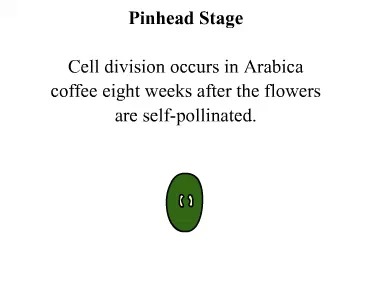
Detailed analysis of the specific changes in the ripening process of coffee beans by diagrams of the growth and ripening process of coffee beans
It takes about 8-9 months (32-36 weeks) for coffee to blossom to ripen. Today, Chongqing Beresta Coffee training School is here to share with friends the whole process of coffee bean growth and ripening. [tiny stage] (the first 8 weeks) Arabica coffee begins to divide eight weeks after flowering and fertilization. [site grabbing stage] (8-12 weeks) vesicle cavity (with ovary)
2016-01-12 Coffee beans growth ripening process diagram detail analysis concrete change coffee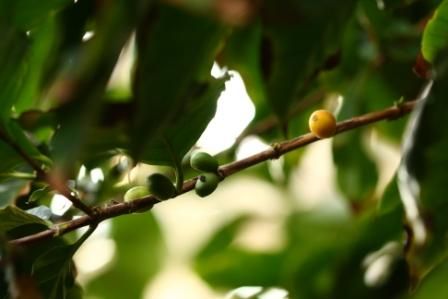
What conditions do you need to grow coffee trees? Introduction to the process from coffee tree planting to coffee bean harvest
Coffee is a perennial evergreen shrub or small tree of Rubiaceae. It is a horticultural perennial cash crop with the characteristics of fast growth, high yield, high value and wide market. The planting conditions of Coffee Coffee is a perennial evergreen shrub or small tree of Rubiaceae. It is a horticultural perennial cash crop with the characteristics of fast growth, high yield, high value and wide market. Wild
2015-12-10 Coffee planting needs what conditions coffee beans harvest process introduction
The processing of coffee beans in Rwanda the processing flow of coffee beans
Rwanda is a small African country, and the local people are relatively poor, but it produces straight and very good coffee. Unlike its neighbors Kenya and Ethiopia, Rwanda's coffee is mainly round bourbon. The taste is not as prominent as Ethiopia and Kenya, but the evenness is excellent. Karnogi coffee in Rwanda is grown and harvested by local small farmers and is produced by Git
2016-06-05 Rwanda coffee beans processing methods processes one Africa
Production and processing of coffee beans in Ethiopia
Ethiopia (Ethiopia) is one of the major producers of Arab coffee beans in Africa, producing the best Arab mocha beans in the world. It is said that coffee beans were first discovered by shepherds in the Kafa region of Ethiopia, and the name of coffee evolved from Kafa, so Ethiopia is still the hometown of coffee. Production and processing of coffee beans in Ethiopia
2015-09-15 Ethiopia mocha coffee beans production processing
Production and processing of Vietnamese Fine Coffee Taste characteristics of Vietnamese Fine Coffee
The geographical location of Vietnam is very favorable for coffee growing. the south of Vietnam has a hot and humid tropical climate, which is suitable for growing ROBUSTA coffee and the north is suitable for growing ARABICA coffee. Each coffee bean used in the current production of Saigon Coffee is selected from the best coffee areas in the Vietnamese plateau and is roasted with special cream with outstanding milky aroma, mellow coffee flavor and coffee aroma.
2016-03-18 Vietnam boutique coffee production and processing taste characteristics